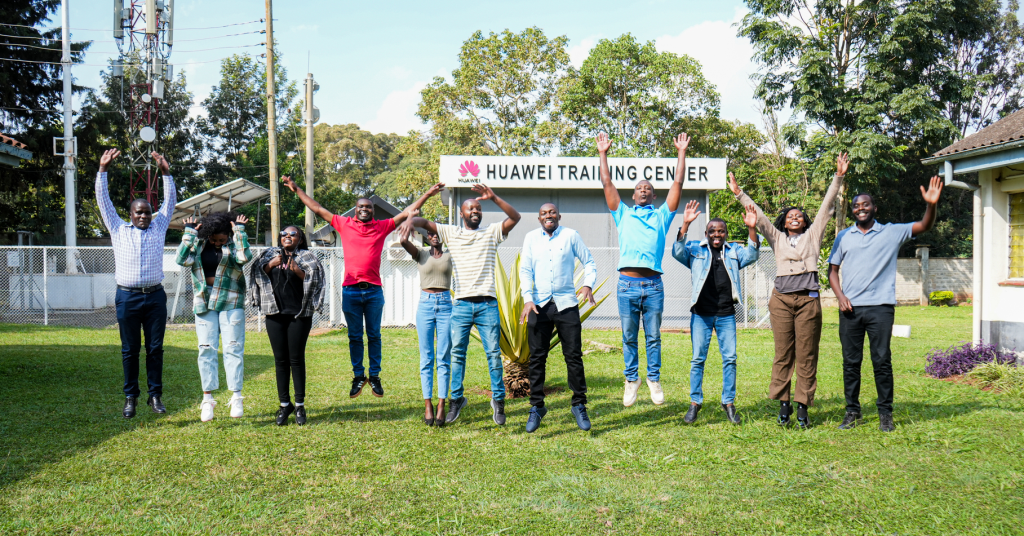

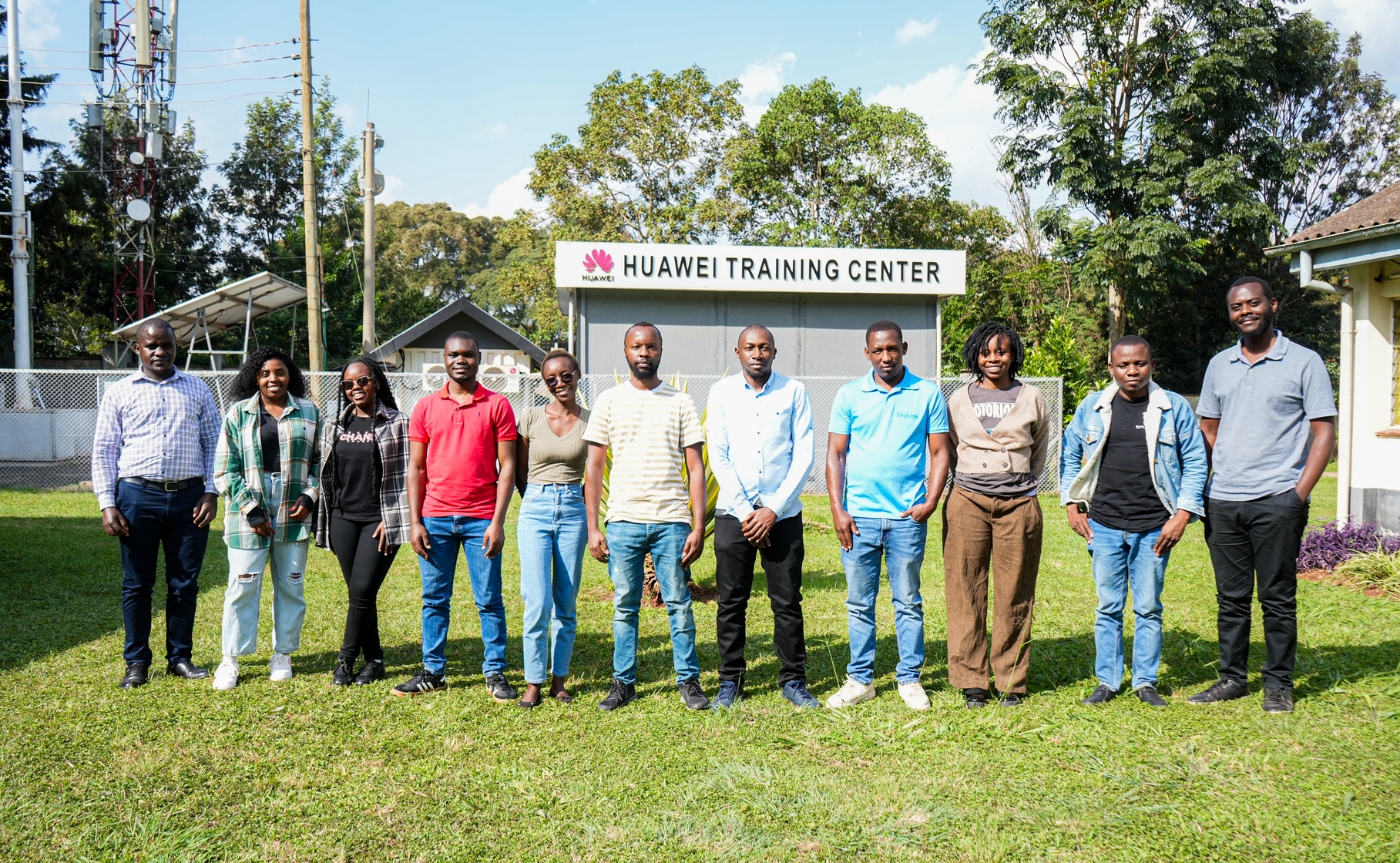

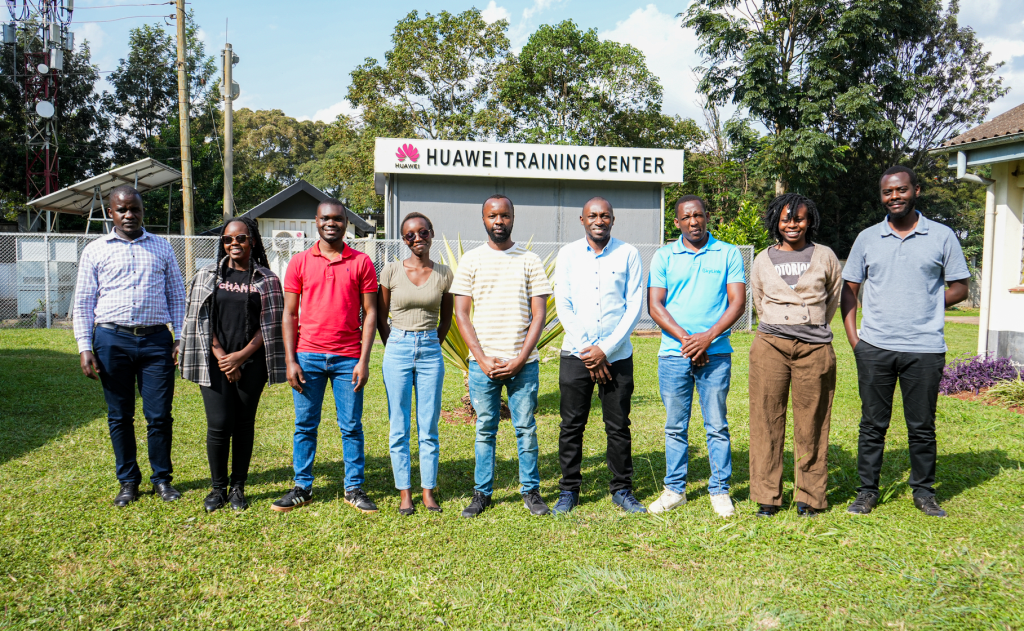
The Technology Service Providers of Kenya (TESPOK), in partnership with the African Network Information Centre (AFRINIC), successfully conducted a five-day IPv6 Training from 13th to 17th July 2026, bringing together Internet professionals from across the country to strengthen their knowledge and practical skills in IPv6 deployment and management.
The training formed part of TESPOK’s continued commitment to building technical capacity within Kenya’s Internet ecosystem by equipping network engineers, Internet Service Providers (ISPs), and ICT professionals with the skills required to support the transition to IPv6.
Facilitated by Bashir Mudeheri, Technical Instructional Designer, Program Manager, and Trainer at AFRINIC, the sessions combined technical theory with practical, hands-on exercises that enabled participants to gain a deeper understanding of IPv6 implementation and best practices.
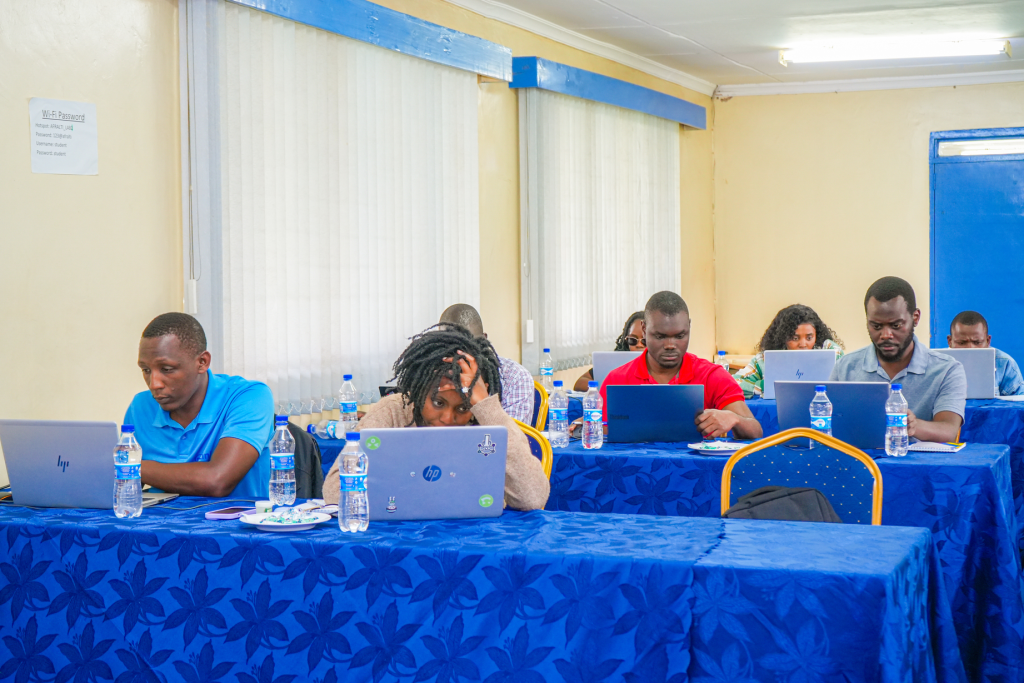
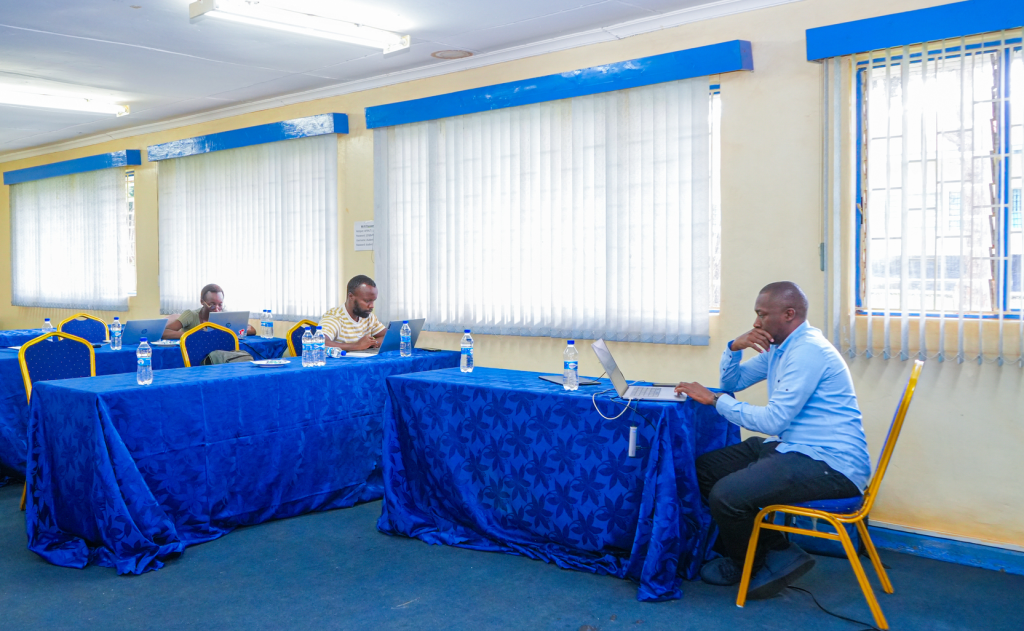
Throughout the week, participants explored key concepts including IPv6 addressing, configuration, deployment strategies, routing, security considerations, and operational best practices. The interactive format encouraged knowledge sharing, collaboration, and practical problem solving, allowing attendees to apply what they learned in real-world networking scenarios.
As Internet adoption continues to grow and the demand for IP addresses increases, IPv6 has become essential for supporting the future expansion, scalability, and resilience of Internet infrastructure. Trainings such as these play a vital role in preparing technical professionals to deploy and manage modern Internet networks effectively.
TESPOK extends its sincere appreciation to AFRINIC for its continued partnership in advancing Internet capacity development across the region, to Bashir Mudeheri for his expert facilitation throughout the training, and to all participants for their commitment and active engagement during the five-day programme. Through initiatives such as this, TESPOK remains committed to fostering a skilled technical community and supporting the development of a secure, resilient, and future-ready Internet ecosystem in Kenya.